
Every session on the pokies has a shelf life, and the real skill is knowing how to keep your money working while you decide whether the machine is worth your time. A solid pokies strategy to make your bankroll last longer is mostly about discipline, not magic. I have spent more than a decade across casinos, poker tables, VIP floors, and affiliate work, and the players who keep their accounts funded longest are the ones who treat each spin as a cost, not an investment. That mindset matters even more Down Under, where gambling advertising during live sport is restricted before 8:30 pm and the temptation to jump in during a broadcast can be hard to ignore.
Choosing the Right Machine Before the First Spin
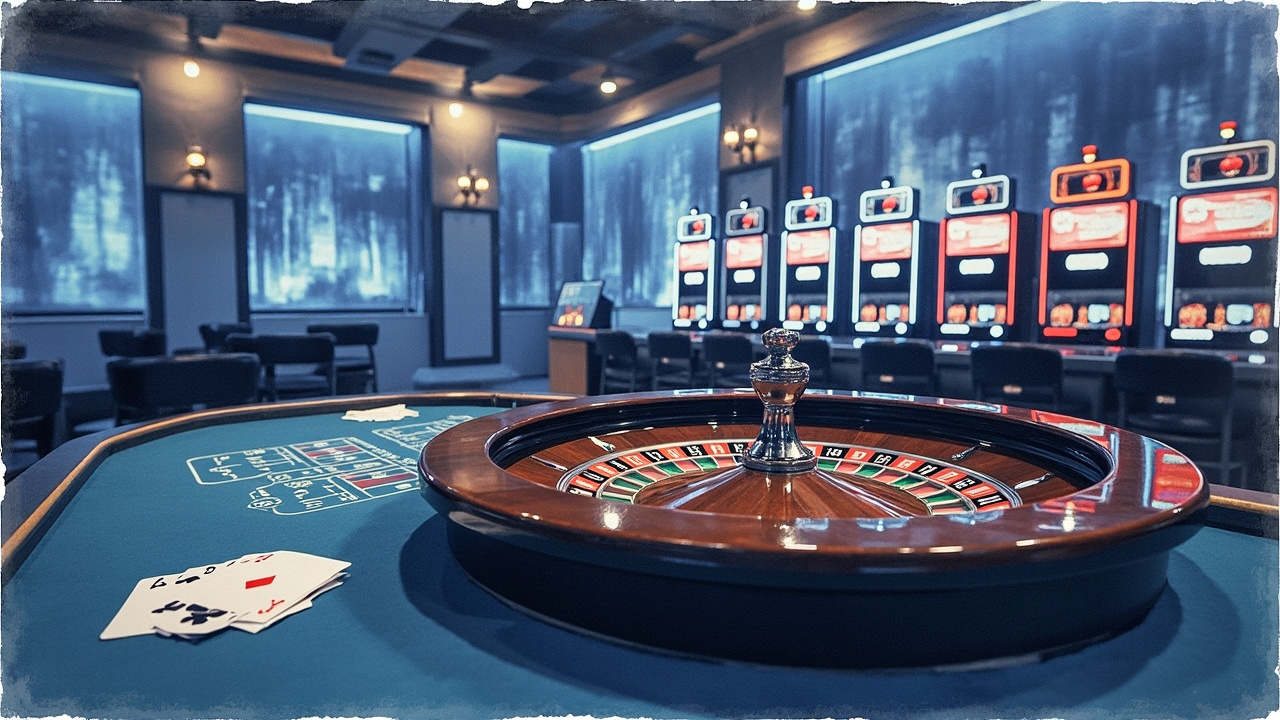
The first decision any sensible player makes is picking a machine that matches the session they actually want, not the one flashing the loudest on the floor. Volatility is the real divider here: low-variance pokies tend to return smaller amounts more often, which suits a longer session, while high-variance machines can chew through a balance quickly between sparse payouts. I have watched overseas operators in the UK and Europe steer recreational players toward lower-volatility titles with clearer return-to-player displays, and that is a practical habit we could borrow. A player who wants their money to stretch should favour games with simpler paylines, capped bet sizes, and no stacked bonus triggers that drain credits before the base game settles. If you are weighing pokies against other options, even a table game comparison can be useful, especially when you are working with a smaller balance, and you can read more about that approach in table games that make a $100 bankroll last longer. The point is to match the machine to the pace you can afford, not to the adrenaline of the moment.
How to Pace Your Play With the Bankroll in Mind
Once the machine is chosen, the next layer is how you actually spend the money, and that is where a pokies strategy to make your bankroll last longer earns its keep. I always tell players to set a session limit that is a fraction of their total bankroll, then treat that limit as a hard ceiling rather than a suggestion. In Adelaide, I have seen players use the same approach at local venues and on licensed sites: they divide the balance into smaller chunks, walk away from a machine once a chunk is gone, and only move to the next chunk if the first one produced a result they were happy with. The rhythm matters more than the amount. Bet sizing should stay within a range that lets you take a reasonable number of spins without the balance vanishing in a handful of big-line wagers. A player who runs fifty cents a line on a twenty-line game is playing a very different session from someone pushing five dollars a line on the same title, and the difference is measured in minutes, not luck.
The support and account controls around you are part of the same discipline, because a well-built platform gives you the tools to step back before the balance is gone. Licensed operators in Australia must meet security and privacy standards, and the ones worth using offer reality checks, session timers, and deposit limits that you can set before you start. I have worked with affiliate partners who see the same pattern repeatedly: players who activate those controls early keep their sessions steady, while players who ignore them tend to chase losses and burn through credits faster. If a site does not make those controls easy to find, or if the support team cannot walk you through them without a long wait, that is a signal to look elsewhere. Privacy matters too, because you should not have to hand over more personal detail than the licence requires, and the right operator keeps your data locked down while still letting you adjust your limits without jumping through hoops. Table Games That Make a $100
There is also a practical difference between how we handle bankroll pacing here and how it is done overseas. In the US, many recreational players use table games with fixed minimum bets and clear house edges, which makes the math easier to read at a glance. In Europe, operators often display return-to-player figures more openly and steer casual players toward lower-variance games. Down Under, we tend to lean on pokies because the format is familiar, but the discipline is the same: smaller bets, clearer limits, and a willingness to stop when the session limit is hit. A player who treats those controls as part of the game, rather than as an obstacle, will usually stretch their balance further and leave the venue with more of their money intact.
Who This Approach Suits Best
This kind of bankroll-focused approach is not for everyone, and it is worth being honest about that. It suits a player who wants a longer, steadier session and is comfortable with smaller, more frequent returns rather than a single big hit. It is less suited to someone who is chasing a jackpot and is willing to burn through a balance quickly for the chance of a larger payout. The players I have seen on VIP floors and at poker tables who last the longest are the ones who treat their bankroll as a finite resource and make decisions around that reality, not around the hope of a lucky streak. If your goal is to keep playing across an arvo or an evening without the balance disappearing in twenty minutes, then the slower pace, smaller bet sizes, and firm session limits are the right fit. If you are after a fast, high-variance ride, you are playing a different game entirely and should plan for a shorter session from the start. wheres-the-gold-free-pokies.com

A pokies strategy to make your bankroll last longer comes down to the choices you make before you press spin and the discipline you keep while you are playing. Pick a machine that matches the session you want, set a hard limit, use the account controls that a licensed operator provides, and walk away when the limit is reached. The players who do that tend to keep their money working longer, and that is the real advantage.